1. The Urgency of Zero Liquid Discharge (ZLD)
Zero Liquid Discharge (ZLD) represents the pinnacle of industrial wastewater treatment. In an era where regulatory authorities enforce zero effluent discharge norms into natural water bodies, ZLD technology enables industrial plants to recover up to 98–99% of wastewater as purified distillate while converting remaining concentrated salts into dry, manageable solids.
Industries such as pharmaceuticals, textile dye houses, chemical manufacturing, and power plants generate complex, high-TDS effluents laden with inorganic salts, heavy metals, and refractory organics. Implementing ZLD not only eliminates pollution liabilities but also insulates factories against municipal water supply interruptions.
2. Anatomy of an Advanced ZLD Treatment Train
A successful ZLD facility relies on a multi-stage process integration combining mechanical, membrane, and thermal separation technologies:
Phase A: Pre-Treatment & Softening
Raw industrial effluent undergoes chemical precipitation and lime-soda softening to reduce hardness ions (Calcium, Magnesium, Silica) that could foul downstream high-recovery reverse osmosis membranes or heat exchanger tube bundles.
Phase B: High-Recovery Membrane Concentration (HERO & High-Pressure RO)
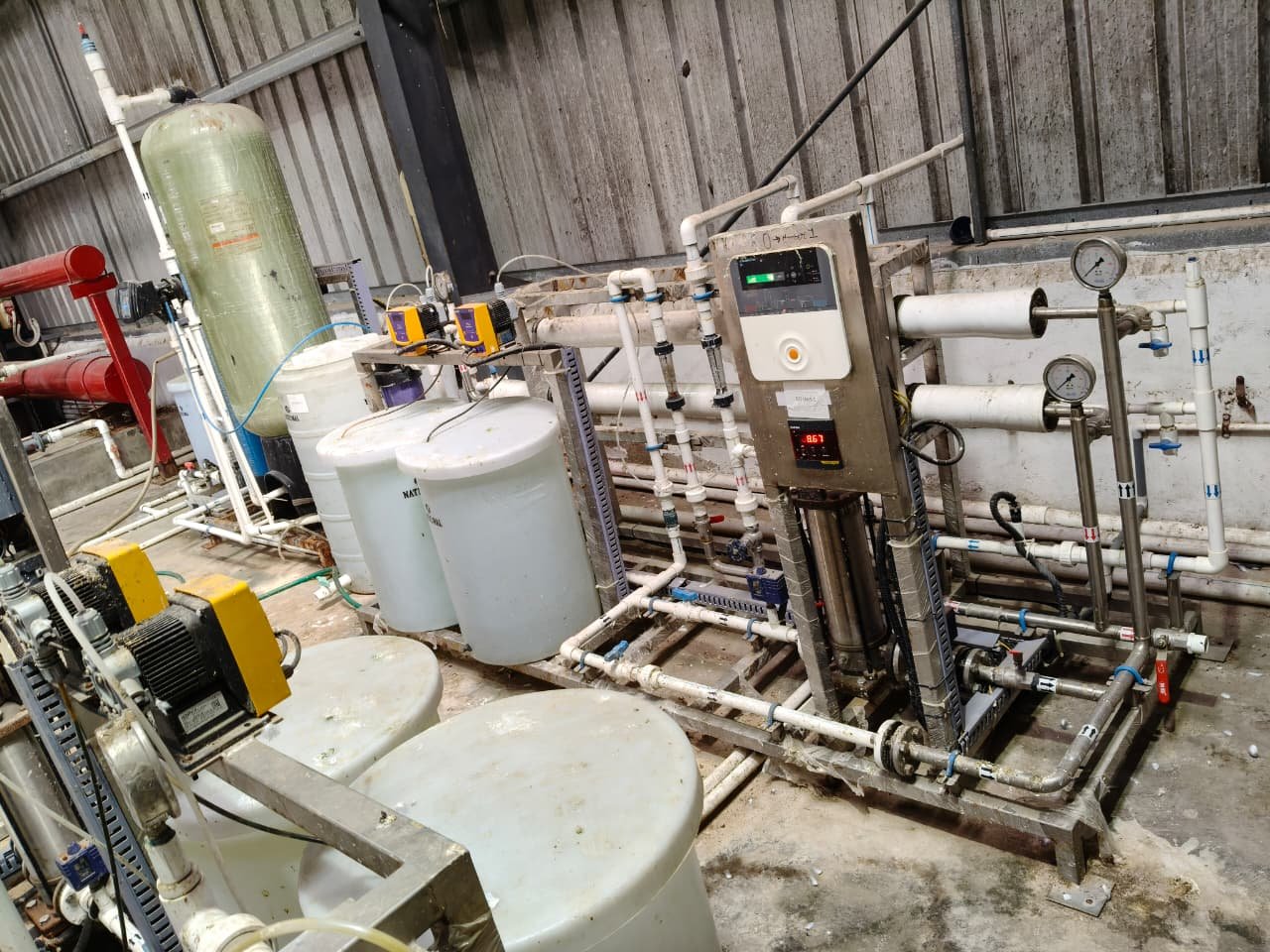
Before thermal evaporation, membrane pre-concentration lowers energy expenditure. High Efficiency Reverse Osmosis (HERO) operates at elevated pH levels (>10.5) to keep silica in soluble ionic form, allowing water recovery up to 85–90% prior to thermal stages.
Phase C: Mechanical Vapor Recompression (MVR) Evaporation
Concentrated brine enters falling-film or forced-circulation evaporators. MVR technology compresses water vapor produced during evaporation, recycling latent heat back into the steam chest. This drastically reduces live steam demand compared to traditional multi-effect evaporators (MEE).
Phase D: Thermal Crystallization & De-watering
The highly saturated concentrate from the evaporator passes into a thermal crystallizer or spray dryer. Salt crystals form continuously and are de-watered using high-speed centrifuge separators or chamber filter presses, leaving a dry salt cake ready for commercial by-product reuse or safe hazardous landfill disposal.
3. Economic Optimization & Chemical Recovery
Historically, high capital and operational expenditures posed barriers to ZLD adoption. Modern engineering innovations focus on resource recovery within the ZLD train:
- Sodium Sulfate Recovery: Fractional crystallization allows textile dye houses to recover high-purity Sodium Sulfate (Na2SO4) for reuse in dyeing baths.
- Sodium Chloride Purification: ETP brine separation yields industrial-grade NaCl for chlor-alkali production.
By viewing wastewater as a valuable mineral stream rather than liquid waste, CODEX ZLD plants achieve significant operational cost offsets, delivering faster payback cycles for industrial clients.