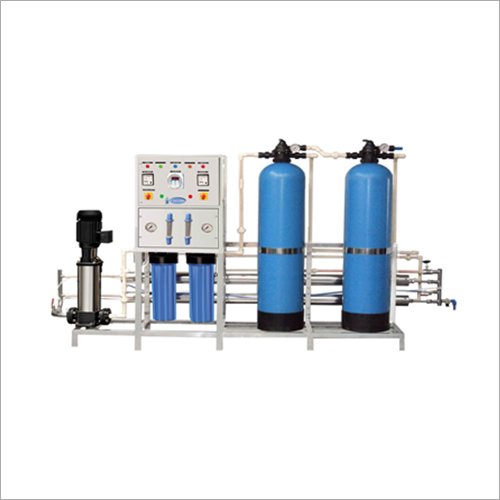
1. Ensuring Potable Water Quality Standards
Access to clean, safe drinking water is a fundamental cornerstone of public health. Large commercial complexes, educational campuses, residential townships, and municipal utilities must adhere strictly to international benchmarks set by the World Health Organization (WHO) and local standards such as BIS IS 10500 in India.
2. Key Physical and Chemical Water Quality Parameters
Water safety assurance relies on continuous monitoring of critical physical, chemical, and biological indicators:
- Total Dissolved Solids (TDS): Represents dissolved inorganic salts. Optimal palatability falls between 100 mg/L and 300 mg/L. Excessive TDS (>500 mg/L) impairs taste and causes long-term pipe encrustation.
- Turbidity: Measured in Nephelometric Turbidity Units (NTU). Turbidity above 1.0 NTU shields pathogenic microorganisms from chemical disinfectants. Modern multi-barrier sand filtration maintains turbidity below 0.2 NTU.
- pH Balance: Standard drinking water pH ranges from 6.5 to 8.5. Low pH causes metallic pipe corrosion, leaching lead and copper into drinking water.
- Heavy Metals (Arsenic, Lead, Fluoride): Toxic trace elements requiring specialized ion-selective adsorption or RO separation to prevent chronic neurological and skeletal disorders.
3. Multi-Barrier Disinfection: UV, Ozone & Chlorination
A resilient municipal drinking water plant incorporates multi-stage disinfection to prevent waterborne pathogen outbreaks:
- Ozonation: Powerful oxidant that rapidly neutralizes viruses, Amoebic cysts, and Giardia while destroying taste and odor organic compounds.
- Ultraviolet (UV) Irradiation: Emits UV-C light at 254 nm wavelength, disrupting microbial DNA and rendering pathogens incapable of replication without altering water chemical composition.
- Residual Free Chlorination: Maintains a residual free chlorine level of 0.2 to 0.5 mg/L throughout final distribution piping, safeguarding water against re-contamination during pipeline transit.