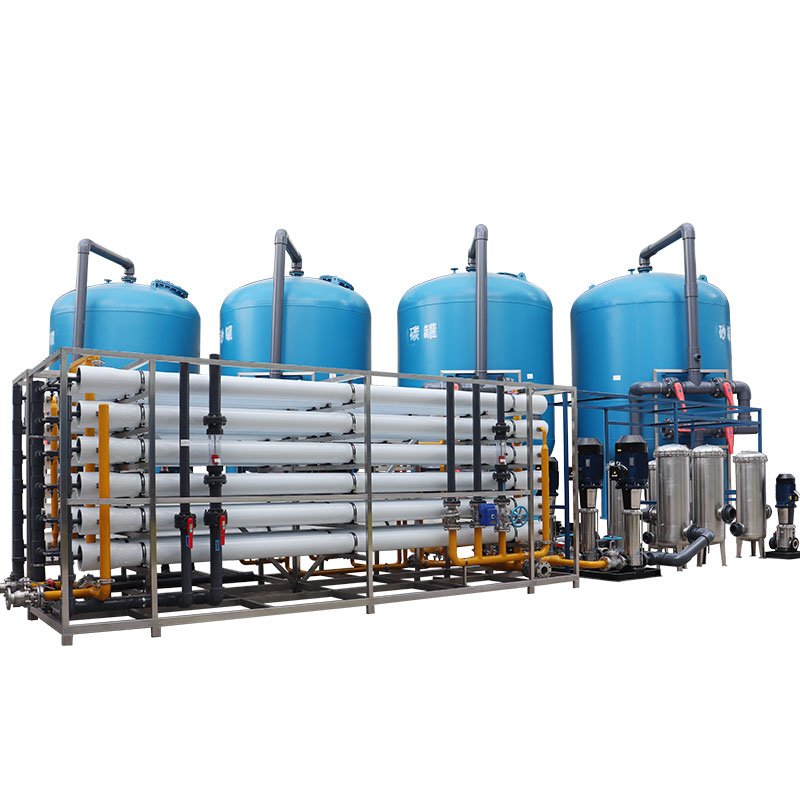
1. Tailoring ETP Architecture to Industry Effluents
No single wastewater treatment layout fits all industrial effluents. Chemical processing plants generate wastewater containing complex aromatic compounds, high Chemical Oxygen Demand (COD), and toxic solvent residues. Conversely, textile effluents carry heavy color loads, fluctuating pH, synthetic dyes, and surfactants.
Designing an efficient Effluent Treatment Plant (ETP) requires a thorough characterization of hydraulic peak loads, organic ratios (BOD:COD), total dissolved solids (TDS), and heavy metal concentrations.
2. Primary Treatment: Equalization & Physico-Chemical Coagulation
Primary treatment balances load fluctuations and removes bulk suspended solids:
- Equalization & Air Agitation: Homogenizes raw effluent flow and prevents anaerobic septic conditions.
- Coagulation & Flocculation: Dosing polyaluminum chloride (PAC), alum, and anionic polyelectrolytes neutralizes surface charges, agglomerating colloidal particles into settleable flocs.
- Dissolved Air Flotation (DAF): Micro-bubbles lift oil, grease, and light dye flocs to the surface for continuous mechanical skimming.
3. Secondary Treatment: Biological Degradation Technologies
Biological treatment relies on living microorganisms to oxidize dissolved organic matter into carbon dioxide, water, and microbial biomass:
A. Moving Bed Biofilm Reactor (MBBR)
MBBR utilizes high-surface-area polyethylene bio-carriers suspended in aerated basins. Bacteria form a durable biofilm on the carriers, enabling high volumetric organic loading rates in compact tank volumes.
B. Membrane Bio-Reactor (MBR)
Combining biological activated sludge with submerged ultrafiltration membranes eliminates the need for secondary clarifiers. MBR systems produce crystal-clear filtrate with zero suspended solids, ideal for direct feed to secondary reverse osmosis units.
4. Advanced Oxidation Processes (AOP) for Refractory Organics
When dealing with non-biodegradable organic pollutants (BOD:COD ratio < 0.3), conventional biological systems prove insufficient. CODEX incorporates Advanced Oxidation Processes (AOP) employing Fenton’s reagent (H2O2 + Fe2+), UV/Ozone oxidation, or electrocoagulation.
AOP generates highly reactive Hydroxyl Radicals (•OH) that unselectively break down complex aromatic rings into simpler, biodegradable carboxylic acids, ensuring complete compliance with Central and State Pollution Control Board discharge standards.