1. The Strategic Imperative of Industrial Water Stewardship
Industrial manufacturing accounts for over 20% of global freshwater consumption. Rising freshwater tariffs, ground water extraction quotas, and strict environmental regulations make sustainable water management an imperative business strategy rather than just a compliance checkbox.
Implementing closed-loop water recycling allows progressive industrial enterprises to slash raw water procurement expenses by up to 70%, build climate resilience, and fulfill Environmental, Social, and Governance (ESG) mandates.
2. Identifying Water Reuse Streams in Manufacturing
A comprehensive site water audit categorizes plant water streams by quality requirements to match treated effluents with non-critical process applications:
- Cooling Tower Makeup Water: Reclaims treated sewage (STP) or low-TDS effluent for cooling circuit evaporation, consuming the highest volume of recycled water.
- Boiler Feed Makeup: High-purity polished RO permeate suitable for high-pressure steam generation.
- Equipment Washdown & Landscaping: Secondary MBBR/UF treated water used for facility cleaning, vehicle washing, and greenbelt irrigation.
3. Calculating Return on Investment (ROI) for Water Recycling Systems
Investing in on-site water recovery yields tangible economic returns. The financial equation considers:
- Direct savings on municipal water intake tariffs.
- Elimination of external tanker water procurement costs during summer months.
- Avoided environmental penalty fines and discharge compliance fees.
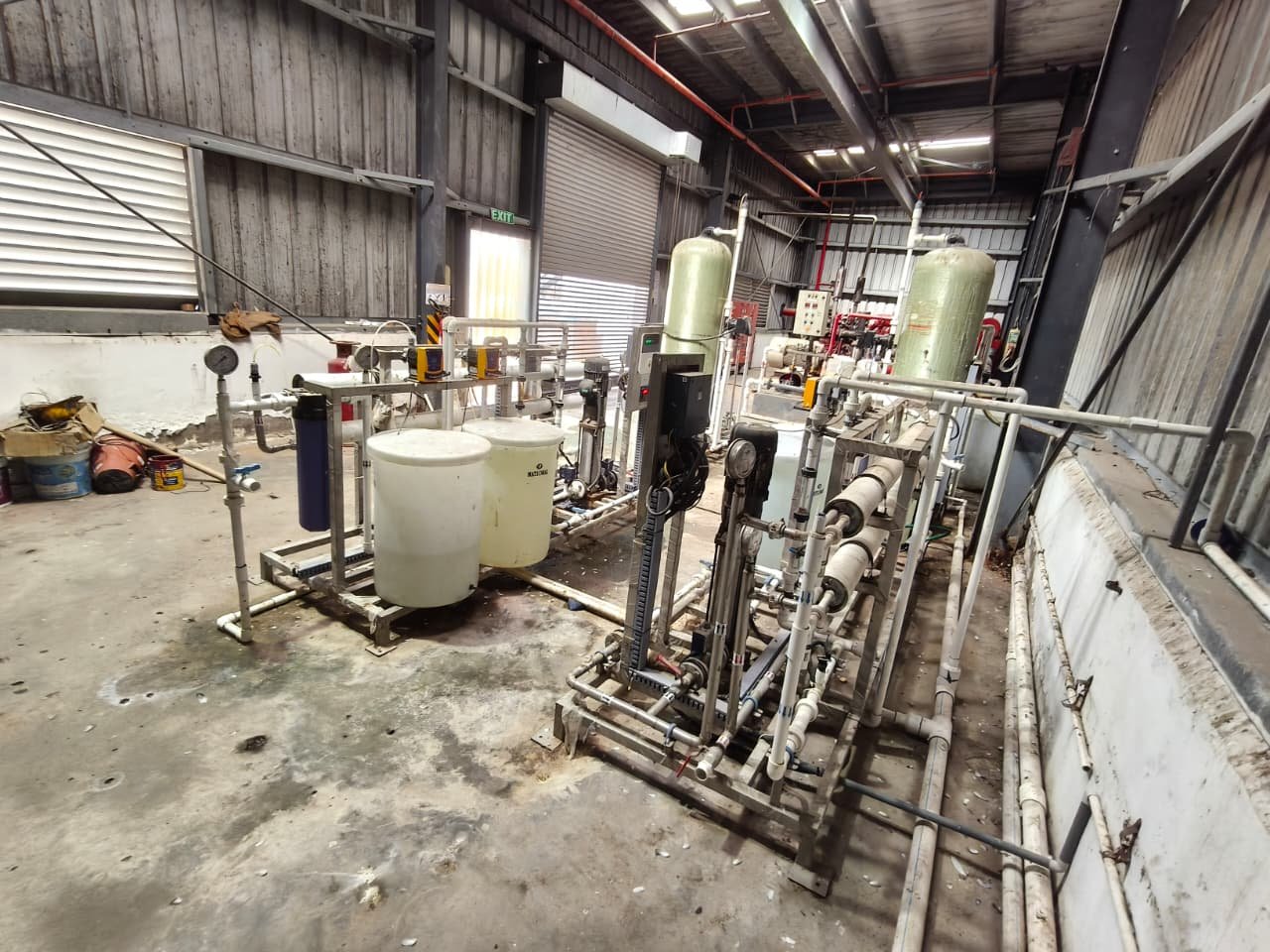
At CODEX, our custom-engineered water recycling skids feature modular expansion options and smart IoT performance analytics, delivering typical investment payback periods of 18 to 24 months for commercial and industrial facilities.