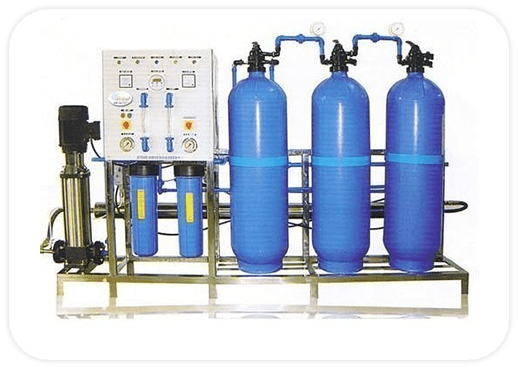
1. Introduction to High-Performance Industrial Reverse Osmosis
Reverse Osmosis (RO) stands as the cornerstone of modern industrial water purification. As water scarcity escalates globally and environmental discharge norms tighten, industrial facilities across chemical processing, power generation, textiles, and food manufacturing rely heavily on advanced RO membrane systems to generate pure process water and maximize effluent recycling.
Unlike conventional media filtration which retains suspended solids mechanically, reverse osmosis operates on a molecular scale. By applying hydrostatic pressure exceeding the natural osmotic pressure of the feed solution, semi-permeable thin-film composite (TFC) membranes separate water molecules from dissolved mineral salts, heavy metals, organic complexes, and microbiological contaminants.
2. Membrane Physics and Thin-Film Composite Architecture
Modern industrial RO elements utilize a spiral-wound TFC membrane structure. This architecture consists of three distinct functional layers:
- Polyamide Active Layer (0.2 microns): The innermost ultra-thin barrier responsible for high salt rejection capabilities (typically 99.2% to 99.7% NaCl rejection).
- Polysulfone Support Layer (40 microns): Provides structural resistance against hydraulic pressure while maintaining high porosity for fluid flow.
- Non-Woven Polyester Base (120 microns): Acts as the mechanical anchor preventing membrane compaction under operating pressures up to 1,200 PSI in seawater applications.
Understanding membrane chemistry is vital when handling challenging raw water sources. For instance, polyamide membranes exhibit extreme sensitivity to free chlorine oxidation; thus, precise pre-treatment de-chlorination using sodium metabisulfite or granular activated carbon (GAC) is compulsory to prevent irreversible polymer degradation.
3. Mitigating Membrane Scale & Bio-Fouling
Membrane fouling remains the primary cause of premature flux decline, increased pressure differentials, and operational downtime. Industrial process engineers categorize fouling into four core mechanisms:
- Mineral Scaling: Precipitation of sparingly soluble salts such as Calcium Carbonate (CaCO3), Calcium Sulfate (CaSO4), and Silica (SiO2) on the membrane surface when concentration limits are exceeded. Antiscalant dosing and flux rate optimization prevent supersaturation.
- Colloidal & Particulate Fouling: Deposition of fine clays, silt, and iron oxides. Multi-grade sand filtration (MGF) and Ultrafiltration (UF) pre-treatment maintain Silt Density Index (SDI) values strictly below 3.0.
- Bio-Fouling: Biofilm growth driven by bacteria utilizing organic nutrients. Continuous or periodic non-oxidizing biocide dosing controls bio-layer accumulation.
- Organic Fouling: Adsorption of natural organic matter (NOM), humic acids, and industrial solvents onto membrane pores.
4. Integrating Energy Recovery Devices (ERD)
Operating high-pressure RO systems—particularly Seawater Reverse Osmosis (SWRO)—demands substantial electrical energy. The introduction of isobaric Energy Recovery Devices (ERDs), such as rotary pressure exchangers, transfers hydraulic energy directly from the concentrated reject stream to incoming raw feed water with efficiencies up to 98%.
By incorporating pressure exchangers, modern industrial RO facilities lower specific energy consumption (SEC) from historical levels of 8 kWh/m³ down to under 2.8 kWh/m³, substantially reducing operational carbon footprints and yielding significant long-term ROI.
5. Automated Cleaning-In-Place (CIP) Best Practices
Systematic CIP routines extend membrane operational lifespan up to 5–7 years. A standard multi-stage CIP protocol includes:
- Low pH Alkaline Wash (pH 11–12): Employs sodium hydroxide and chelating agents to dissolve organic foulants and bio-layers.
- High pH Acidic Wash (pH 2–3): Employs citric acid or hydrochloric acid solutions to dissolve mineral scale and inorganic metallic deposits.
At CODEX, our turnkey RO plants feature automated SCADA-controlled CIP units with real-time temperature, conductivity, and differential pressure tracking to ensure safe, repeatable membrane rejuvenation.